What the research says
Your worst night, described accurately, helps more people than your best day ever will.
I went looking for permission to believe that, and the research handed it over. Raw, unpolished health content gets 8.7 times more engagement than the glossy, produced stuff. And 77% of audiences say they specifically prefer content that feels real over content that feels professional.
Set the word audience aside for a second, because it's the wrong scale for most of us. I mean the group text with your sister. I mean the one guy at work who also wears a pump. The messy Tuesday-at-2am version is the one that does the work, and it does it at every size, including a size of one.
The people you tell get healthier
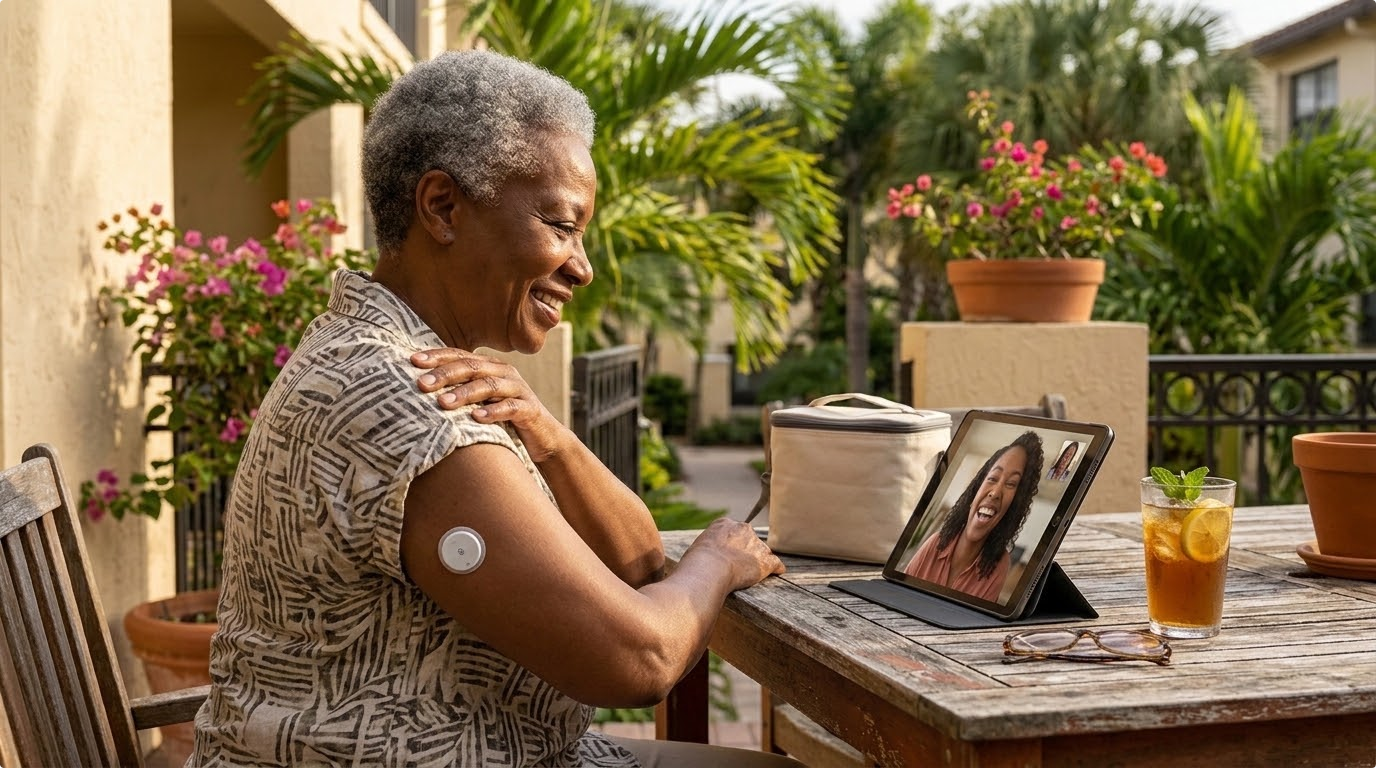
This isn't social media feel-good material. Studies show that peer-led health content, real people sharing real experiences, improves medication adherence, health literacy, and self-management skills. When you watch someone like you manage something hard, you start believing you can too. Psychologists call it Social Cognitive Theory. The rest of us call it "oh, if they can do it, maybe I can."
75% of studies on video-based health tools show positive knowledge outcomes. 56% show measurable improvements in actual health behavior. Not likes. Not views. Clinical outcomes.
You get healthier too
Here's the part I didn't expect. Making this content is a form of therapy. Structured storytelling helps process medical trauma. Writing about the hard parts, the overnight lows, the PT sessions that felt impossible, the days when nothing worked, helps you make sense of them.
And there's the accountability piece. When you tell people you're going to do something, you're more likely to do it. Committing to a rehab protocol or a glucose target in front of people who will ask you about it next week is real motivation.
What comes back turns into something unexpected too. Not arguments. Support groups. Actual connection with people working through the same things.
Living T1D through surgical recovery gives you a rare set of experiences
There's plenty of content about routine diabetes management. Plenty about standard injury recovery. Detailed, long-term documentation of both at once is hard to find.
The specific problems of managing T1D through surgical recovery, adjusting basal rates post-anesthesia, catching a hypo during physical therapy, working out how elevation affects circulation affects glucose, are the details people go looking for. If you're living it, you have a set of experiences worth sharing.
Real beats polished
The research confirms what you probably already sense. Audiences trust messy over manufactured. A CGM screenshot with a jagged line builds more connection than a perfectly edited tutorial. Vulnerability isn't a weakness in health content. It's the mechanism.
The best approach is hybrid: capture the real moments when they happen, and a smartphone is fine, then add context later when you can think clearly. Raw data plus reflection.
So telling the true version isn't self-indulgent. It's clinically effective, for whoever hears it and for you. People don't need your best glucose day. They need Tuesday at 2am when the algorithm wasn't working and you ate four glucose tabs and waited in the dark. And the chronic-illness-plus-acute-injury space has plenty of room for your version.
One boundary matters here. I'm not a doctor, and neither are most people sharing their health stories. We share what worked for us. That is not medical advice, and the distinction protects everybody.
Document one real moment this week, unedited
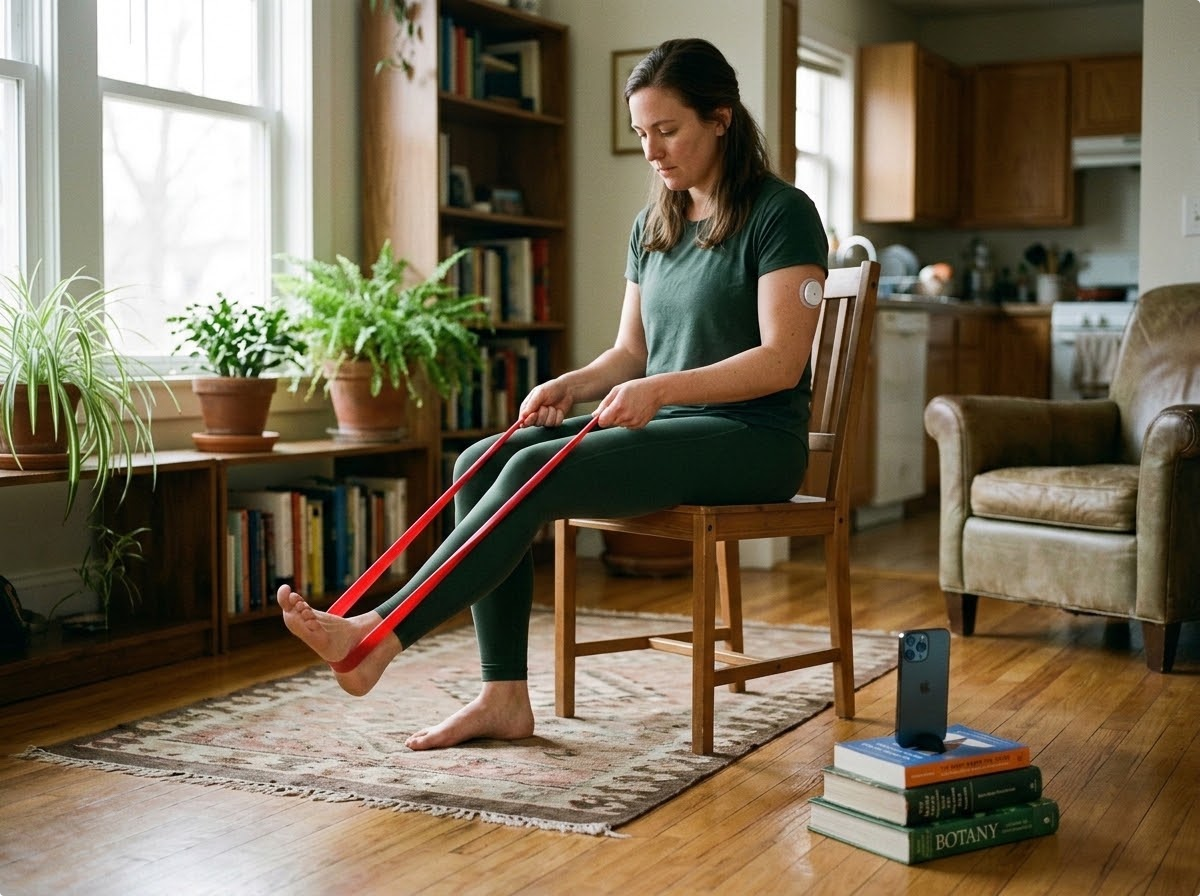
A CGM screenshot after a rough night. A 30-second video of a PT exercise that surprised you. A paragraph about what scared you today.
Don't worry about production quality. Authenticity is the strategy, not a fallback from it.
Then send it to somebody. The family text thread, one friend, a group chat, a newsletter if you happen to have one. The size doesn't matter. The act does.
Together This Week
The bar was never an audience. It's one person who needs to hear that their Tuesday at 2am was normal.
So send one real moment to one person this week. Not an audience. A person. The family text thread counts, and it's the version of this that most people can actually do on a Tuesday.
BTD Guide 1: Surveillance to Support runs on the same principle this series does: your family's data tells a story worth sharing, and sharing it makes everyone healthier.
Then ask the person you sent it to what they'd want to know that you haven't said yet. That question is the whole difference between broadcasting and telling somebody something. It also tends to surface the part you've been quietest about, which is usually the part that would help them most.
Take care,
Trapper
Next issue: grieving a sport other people call "just a hobby."