When shared tasks become 100% yours
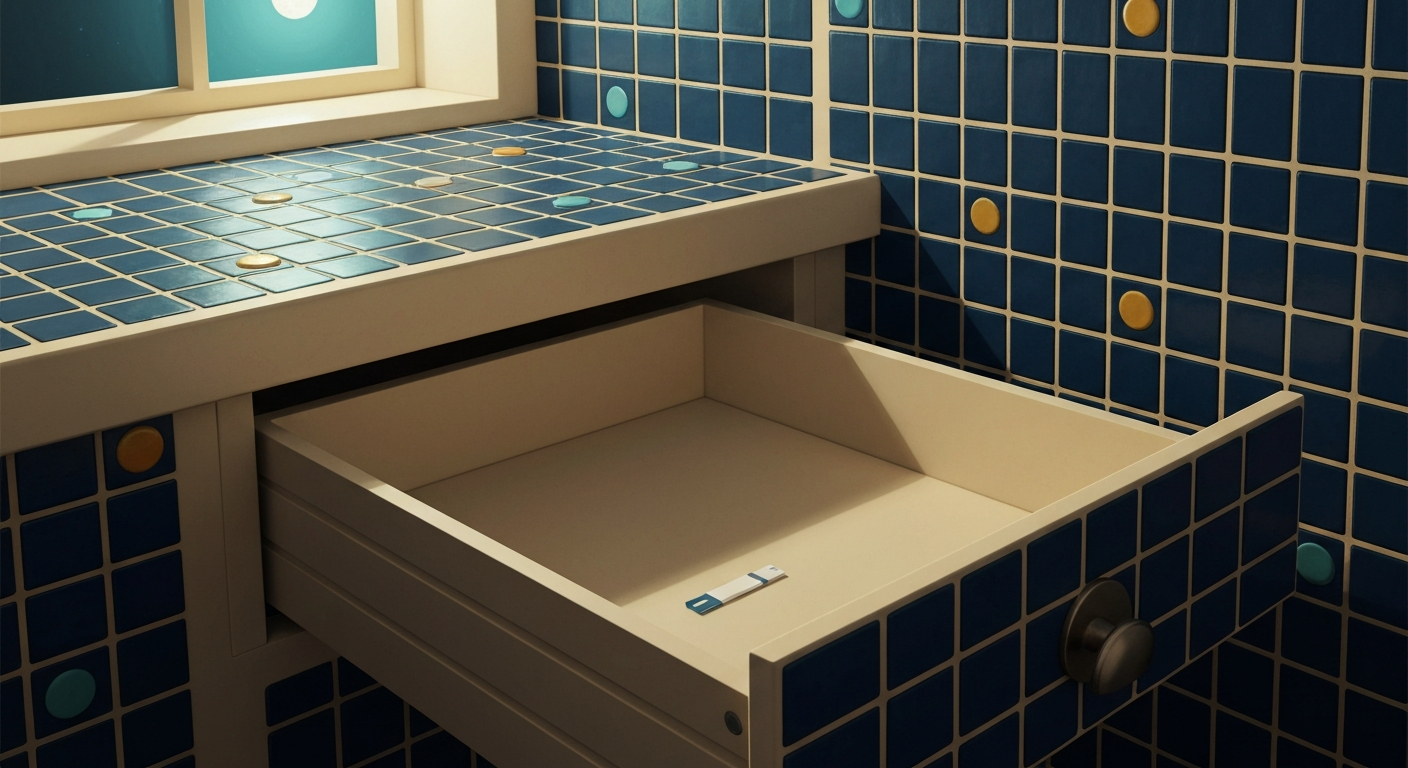
It was 11 PM on a Tuesday. You were out of test strips.
Not low on them. Out.
And in that moment, standing in your new apartment with an empty supply drawer, a question landed: Who used to make sure this didn't happen?
That's when you realized: the invisible labor had been happening all along. You just couldn't see it until it stopped.
The Moment
Moving out is freedom. Your own space. Your own schedule. Your own rules. For the first time, nobody's watching your numbers over your shoulder. Nobody's asking if you've checked.
And also: Nobody notices when the juice boxes run out. Nobody reminds you about the endo appointment. Nobody wonders why you've been quiet all day.
Independence is real. So is the weight of carrying it alone.
The Invisible Labor Revealed
Here's what moving out teaches you: Someone was doing things you didn't know were being done.
Maybe it was obvious stuff: driving to appointments, calling the pharmacy, stocking the fridge with your snacks.
But a lot of it was invisible:
- Keeping a mental inventory of supplies
- Noticing when you seemed off before you noticed
- Being the person you could call at 3 AM if something went wrong
- Just... being there. In the house. Nearby. A safety net you didn't realize you were standing on.
The first few weeks living alone, things start to fall through the gaps. A prescription lapses. A supply runs out. A low hits and there's no one to hand you juice while you're figuring out the math.
That's not failure. That's discovery.
Multiple Perspectives
If you're the one moving out:
You wanted this. You worked for this. And you can handle this. But somewhere between the pride and the freedom, there's also the weight. The 3 AM decisions with no one to consult. The low blood sugars with no backup in the next room. The realization that "I've got this" and "Who's got my back?" can both be true at the same time.
If you're the parent letting go:
This is hard. You've spent years building systems: reminders, supply runs, emergency plans. And now you're supposed to step back. The question isn't whether to keep supporting. It's how to support in a way that respects their independence. Letting go doesn't mean disappearing. It means renegotiating.
If you're the new roommate:
You just moved in with someone. Maybe they mentioned diabetes, maybe they didn't. If they did, you probably don't know what that means day-to-day. You're not their parent. You're not their nurse. But you might be the person who notices something's off. And that might matter more than you realize.
What Actually Helps
The parent who did the handoff:
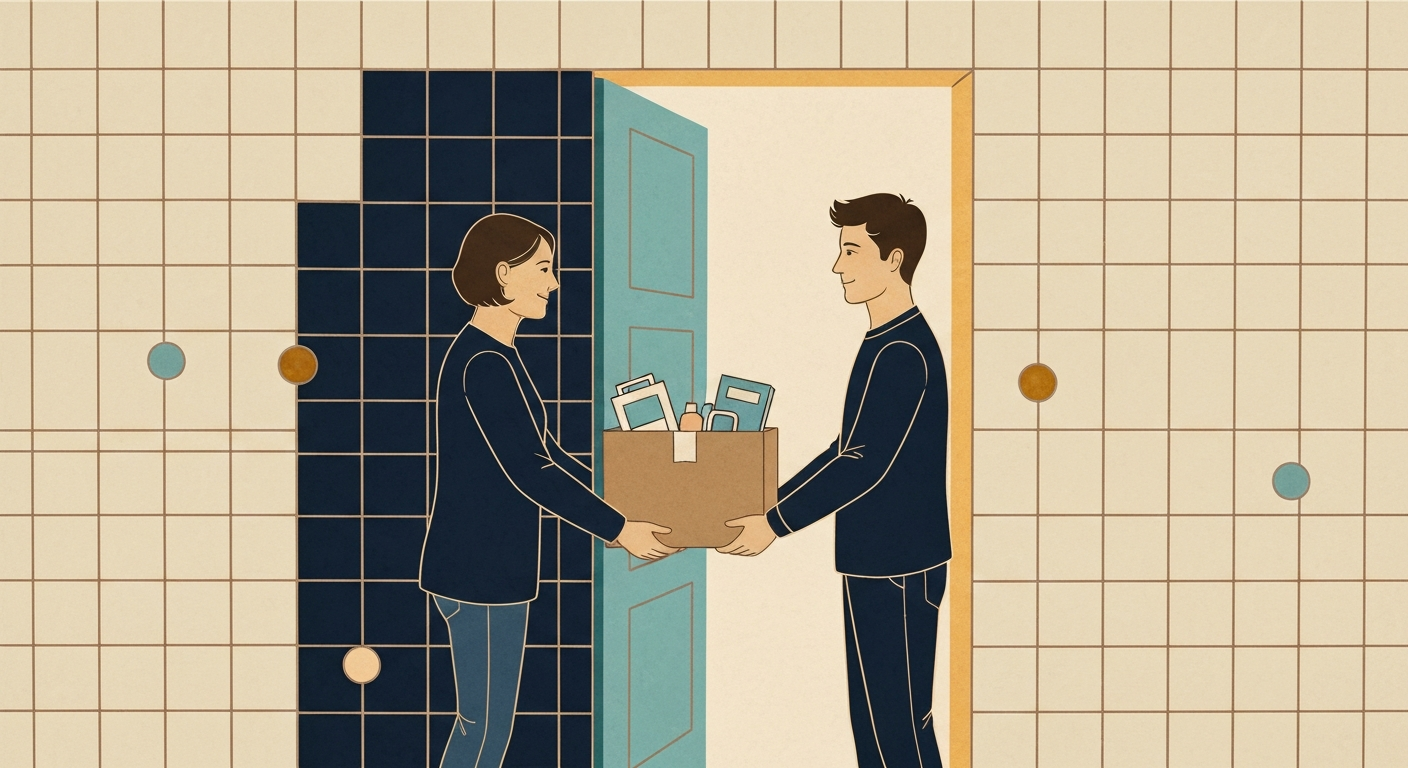
Before one young adult moved out, their mom sat them down and said: "Here's how prescriptions get refilled. Here's when your next appointment is. Here's what I keep stocked that you'll need to keep stocked yourself. And here's who to call if something goes sideways and you can't reach me."
It wasn't hovering. It was a transfer of knowledge. The invisible labor made visible, then handed over.
The roommate who just knew enough:
"Hey, quick thing. I have diabetes. If I seem really confused or sweaty, I need sugar. Juice, candy, the glucose tabs in the drawer. If I can't eat or drink, call 911."
That's it. That's the whole roommate briefing. Not medical school. Just: Here's what might happen, here's what to do.
The young adult who built a new network:
After a few months living alone, one person realized they needed backups. Not parents hovering from a distance, but local people who knew the basics. A friend who could pick up a prescription. A neighbor who had a key. A coworker who understood why they sometimes needed to step out.
Independence isn't isolation. It's building a different kind of team.
The Handoff That Never Happened
Here's what often goes wrong: There's no explicit conversation.
The young adult moves out. The parents don't want to overstep. Nobody says: "Who does what now?"
And then months pass, and the old systems are gone, and the new systems haven't been built, and everyone's fumbling because no one talked about the transition.
The handoff doesn't have to be formal. But it does have to happen.
The Reframe
FROM: "I need to prove I can handle this alone"
TO: "I can handle this AND build support that fits my new life"
Independence isn't about doing everything yourself. It's about being the one who decides how support works.
This Week's Activity: The Invisible Labor Map
Take a few sticky notes. Write down every diabetes-related task you can think of, one per note. Put them in two categories:
- Things you do yourself
- Things someone else has been doing (or used to do)
Now look at the second pile. For each one, ask: Who could do this now? Who should I ask?
The goal isn't to do everything alone. The goal is to see everything that needs doing, and decide who's on your team.
Download the Invisible Labor Map Activity →
Things to Do Together (Before or After Moving Out)
- Have the "handoff conversation": make the invisible visible
- Create an emergency contact card with local backups
- Set up a supply system (auto-refill? Shared calendar? Parent ships quarterly?)
- Decide together: What kind of check-ins feel supportive vs. surveillance?
Things to Ask
- "What do you want our relationship around diabetes to look like now?"
- "What kind of check-ins would feel supportive to you?"
- "Is there anything you're still figuring out that I could help with?"
- "What would 'too much' look like? What would 'not enough' look like?"
Things NOT to Say
- "You're on your own now" (even as a joke, it lands heavy)
- "Don't forget to check your blood sugar" (unless asked)
- "Maybe you're not ready to live alone"
- "Call me every time something happens"
The transition is real. The support doesn't have to end, but it does have to change.
Shows of Support
Support from a distance looks like:
- Sending supplies without commentary
- Texting "How are you?" without "What's your blood sugar?"
- Being available when called, without calling too often
- Celebrating the wins: "You've got a whole system now. That's cool."
Support from a new roommate looks like:
- Learning where the juice is kept
- Not making it weird when the CGM beeps
- Asking once: "What should I do if something happens?"
- Then just... being a normal roommate.
Pass it along
If something in this issue clicked for you (the invisible labor map, the handoff conversation, the roommate quick brief), the best way you can help me is to help somebody else. You don't need to explain it perfectly. Just pass along what helped. That's how this community grows: one conversation at a time.
The Bigger Truth
Here's what I want you to know: Moving out changes everything, and nothing.
You still have diabetes. You still need support. But now you get to design what that looks like.
The safety net at home didn't disappear. It just needs rebuilding. And the people who love you? They're still there. They just need to know what you need now, not what you needed before.
The handoff isn't the end of support. It's the renegotiation. And renegotiation is a skill you'll use for every transition that follows.
What's Next
Next issue: "The Question Flip". When you stop being asked and start asking. The shift from "How are your numbers?" to "What questions should I be asking my doctor?"
Until then: The invisible labor is visible now. You've seen what was being done. The question isn't whether you can handle it. It's who's going to help you carry it forward.
Trapper